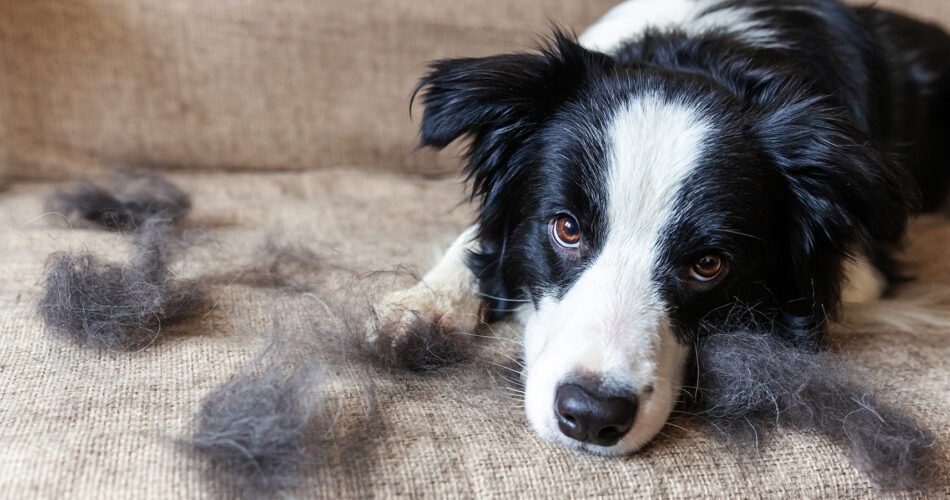
If you’re constantly asking yourself, why is my dog shedding so much, you’re not alone. Dog shedding can quickly turn from “normal pet life” to fur-covered floors, clothes, and furniture.
While shedding is completely natural, excessive dog shedding can signal something more. Sometimes it’s seasonal. Other times, it may point to stress, diet issues, or even underlying health conditions.
In this guide, we’ll break down exactly what it really means when your dog sheds excessively, how to tell what’s normal vs. abnormal, and when you should be concerned.

Why Is My Dog Shedding So Much? Understanding Normal Shedding
Before assuming something is wrong, it’s important to understand that all dogs shed — even breeds marketed as “low-shedding.”
Dogs naturally shed to:
- Remove old or damaged fur
- Regulate body temperature
- Make room for new coat growth
Breeds like the Labrador Retriever and German Shepherd are known for heavy shedding year-round, while breeds like the Poodle shed far less.
If your dog is otherwise healthy, active, and eating normally, shedding may simply be part of their natural coat cycle.
1. Seasonal Shedding (Coat Blow)
One of the most common answers to why is my dog shedding so much is seasonal coat change.
Many dogs “blow” their coats in:
- Spring (shedding winter undercoat)
- Fall (shedding lighter summer coat)
This is especially common in double-coated breeds.
Signs it’s seasonal:
- No bald spots
- No skin irritation
- Even shedding across the body
This type of shedding is heavy — but temporary.
2. Poor Nutrition and Diet Imbalances
Your dog’s coat reflects their overall health.
Low-quality food lacking:
- Omega-3 fatty acids
- Protein
- Essential vitamins
can lead to excessive shedding and dull fur.
If you’ve recently switched foods and noticed increased shedding, diet could be the culprit.
Look for signs like:
- Dry or flaky skin
- Dull coat
- Increased hair fall beyond seasonal patterns
Nutrition plays a bigger role in shedding than most owners realize.
3. Stress and Anxiety
Yes — stress can make dogs shed more.
Changes like:
- Moving homes
- New pets
- Loud environments
- Separation anxiety
can trigger temporary shedding increases.
Some dogs even shed noticeably during vet visits or car rides.
If shedding increases during stressful situations but improves afterward, emotional factors may be involved.
4. Allergies (Food or Environmental)
If you’re wondering why is my dog shedding so much and itching, allergies could be the reason.
Common triggers include:
- Pollen
- Dust mites
- Certain proteins in dog food
- Cleaning products
Symptoms to watch:
- Constant scratching
- Red or inflamed skin
- Paw licking
- Ear infections
Unlike seasonal shedding, allergy-related shedding often comes with irritation.
5. Skin Infections or Parasites
Excessive shedding combined with:
- Bald patches
- Scabs
- Odor
- Oily or crusty skin
may indicate a skin infection.
Fungal infections, bacterial issues, or parasites like fleas can damage hair follicles, leading to noticeable hair loss.
If shedding appears uneven or patchy, consult a veterinarian.
6. Hormonal Imbalances
Certain medical conditions can cause abnormal shedding.
Examples include:
- Hypothyroidism
- Cushing’s disease
Dogs with hormonal issues often show:
- Thinning fur
- Hair loss around the tail or sides
- Lethargy
- Weight gain
If shedding seems extreme and paired with behavioral or physical changes, it’s worth getting blood work done.
7. Overbathing or Incorrect Grooming
Surprisingly, grooming mistakes can worsen shedding.
Bathing too frequently can:
- Strip natural oils
- Dry out the skin
- Increase hair breakage
Using harsh shampoos may also weaken the coat.
Brushing is essential — but technique matters. Aggressive brushing can cause unnecessary hair loss.
When Should You Be Concerned About Dog Shedding?
Normal shedding:
- Even hair loss
- No redness
- No itching
- No bald spots
Concerning shedding:
- Patchy hair loss
- Constant scratching
- Bleeding or scabs
- Behavioral changes
If shedding is sudden and severe, always rule out medical causes first.
Breeds That Naturally Shed More
Some dogs are genetically predisposed to heavy shedding.
High-shedding breeds include:
- Siberian Husky
- Golden Retriever
- Alaskan Malamute
- Border Collie
If you own one of these breeds, consistent grooming is part of normal care.
How to Reduce Excessive Shedding (Without Jumping to Products Yet)
If you’re still asking why is my dog shedding so much, start with these foundational steps:
Improve Diet Quality
Ensure high-quality protein and healthy fats are included in your dog’s food.
Brush Consistently
Regular brushing removes loose fur before it ends up on your couch.
Manage Stress
Provide mental stimulation, exercise, and routine.
Avoid Overbathing
Most dogs only need bathing every 4–6 weeks unless dirty.
Check for Allergens
Switch cleaning products or evaluate food ingredients if itching accompanies shedding.
Why Is My Dog Shedding So Much All of a Sudden?
Sudden shedding spikes often come from:
- Rapid weather changes
- New diet
- Stressful events
- Underlying illness
Track what changed recently. Shedding rarely increases randomly without a trigger.
Final Thoughts: What It Really Means
So, why is my dog shedding so much?
In most cases, it means:
- Natural seasonal change
- Breed-related shedding
- Minor stress or dietary imbalance
However, if shedding is paired with skin issues, bald spots, or health changes, it could indicate something more serious.
• Stop the shedding chaos—see the vet-approved tools dog owners swear by. best dog grooming tools for shedding dogs vet approved picks that actually work
Understanding the root cause is the first step.
Managing shedding properly requires identifying whether it’s normal biology — or a sign your dog needs extra care.


